Security, fire, and life safety companies understand that compliance is part of doing business. Licenses must be renewed, technicians must earn continuing education, and supporting documentation such as insurance certificates and background checks must remain current. Those requirements are expected. What is not expected is how quickly visibility begins to erode as the organization grows.
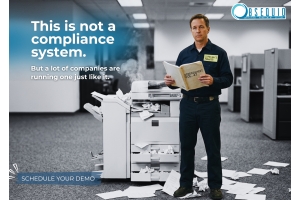
When compliance data is spread across spreadsheets, inboxes, and shared drives, leadership may believe everything is covered, yet no one has a complete, real-time view of status across the company. A license nearing expiration, a technician short on CEUs, or a missing document may not surface until a renewal deadline or contract review forces the issue. The information exists, but without centralization, it is difficult to confirm accuracy with confidence.
This is where exposure begins, not because compliance is ignored, but because the process lacks structure.
When Growth Outpaces the System
Manual tracking tools often work at the earliest stages. A spreadsheet tracks renewal dates, calendar reminders flag deadlines, and documents are saved in labeled folders. As the company adds technicians or expands into new states, that structure becomes harder to maintain. Different jurisdictions introduce varying renewal cycles and education requirements, while documentation multiplies across roles and departments.
Administrative time gradually shifts from oversight to verification. Instead of managing compliance strategically, teams spend hours confirming whether records are complete and current. By the time a gap is identified, options are limited and the margin for error narrows.
The issue is not effort. It is scalability.
If you want clearer oversight of your compliance posture, connect with Obsequio here or call 502-254-1590 ext. 101.
Centralization Creates Control
Obsequio was developed specifically for the security, fire, and life safety industry to consolidate license management, CEU tracking, certifications, and supporting documentation into one structured platform. Rather than relying on separate tools, administrators can review technician status, renewal timelines, and documentation from a single dashboard.
Automated 90, 60, and 30 day alerts provide advance notice of upcoming deadlines, reducing last-minute scrambles. Documents are stored in an organized system designed to support renewals, audits, and internal reporting. For companies operating in multiple jurisdictions, preloaded industry data helps manage varying state requirements without increasing administrative complexity.
The result is not just efficiency, but clarity that supports better decision making.
Compliance That Supports Expansion
In regulated industries, growth increases complexity. Adding new markets, onboarding technicians, or bidding on larger contracts introduces additional licensing layers and documentation demands. When compliance visibility is fragmented, those moves carry unnecessary risk. When compliance is centralized and measurable, leadership can move forward with confidence, knowing requirements are documented and current.
Obsequio shifts compliance from a reactive task to a controlled operational function. Administrators gain consistent oversight, technicians receive timely reminders, and leadership maintains confidence in organizational readiness across every jurisdiction.
If your current process cannot provide immediate clarity across licenses and renewals, it may be time to evaluate a system designed for this industry.
To see how Obsequio centralizes compliance and strengthens operational control, reach out here:https://www.securityceu.com/page_cm.php or call 502-254-1590 ext. 101 to schedule a demo.