Every security company reaches a point where compliance is no longer theoretical. It shows up when an audit is scheduled, a contract is on the line, or leadership needs a clear answer on licensing status across the team.
That is when a simple question gets asked. Are we fully compliant right now?
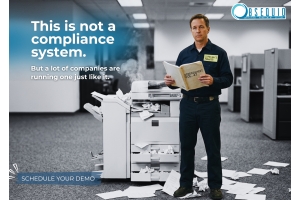
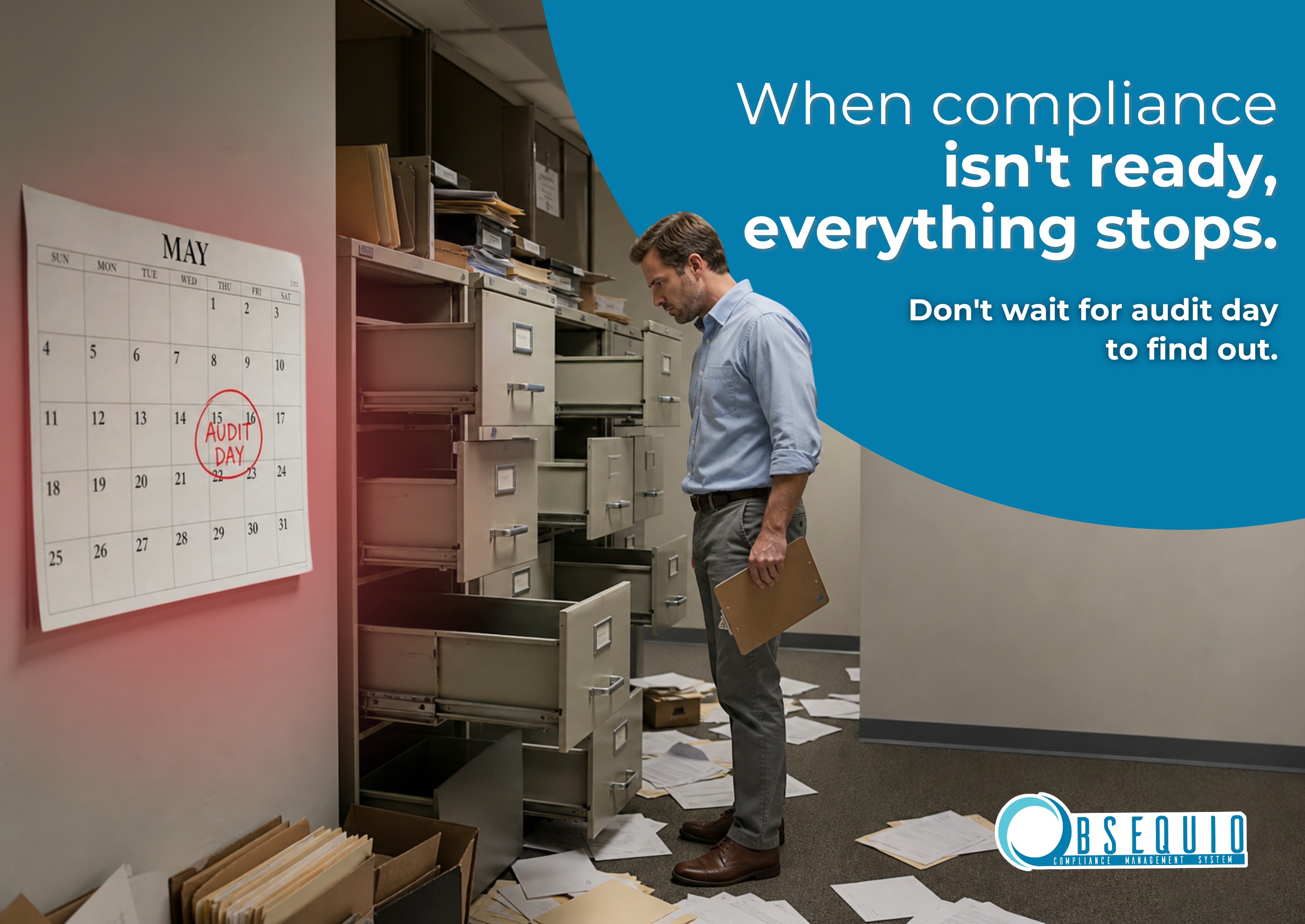
For many organizations, the answer is not immediate. It has to be assembled. Teams start digging through emails, shared drives, and disconnected records to piece together a picture that should already be clear. What looked organized under normal conditions quickly turns into uncertainty. The problem is not a lack of effort. It is a system that only works when nothing is being tested.
Compliance That Breaks Under Pressure
Most companies believe they have compliance handled because the basics are covered. Renewals get submitted. CEUs are completed. Documentation exists somewhere in the business.
That sense of control holds until the moment visibility matters.
When requirements need to be verified quickly, gaps appear. Information is spread across too many locations, records are inconsistent, and no one has a real-time view of status across technicians or jurisdictions. At that point, compliance is no longer an administrative task. It becomes a liability that affects bids, audits, and day-to-day operations.
The difference is not how hard a team works in those moments. It is whether the system behind them was built to handle them.
Want to see what proactive compliance actually looks like in practice?
Contact Obsequio here or call 502-254-1590 ext. 101 to take a closer look.
Building Continuous Readiness Into the Operation
Well-run companies do not treat compliance as something to manage when deadlines appear. They build it into daily operations so status is always visible and easy to verify.
With the right structure in place, license status, CEU progress, and required documentation are accessible without delay. Managers are not chasing updates or confirming records because the information is already organized and current. Deadlines are handled in advance rather than at the last minute.
This is where the shift happens. Compliance stops being reactive and becomes controlled.
Obsequio was designed for that shift. It centralizes licenses, CEUs, and supporting documentation into one platform, giving administrators a clear view across the entire organization. Automated reminders keep renewals on track, while structured records remove the friction that slows teams down when accuracy matters most.
Operational Confidence That Shows Up Early
When compliance is structured and visible, it changes how a company operates. Teams move faster because they are not verifying information on demand. Leadership has confidence in reporting because the data is current. Expansion into new states or larger contracts becomes a calculated step instead of a risk.
That level of readiness is not created in response to pressure. It is built long before it is needed.
Most compliance failures are not dramatic. They come from small gaps that go unnoticed until timing makes them a problem. Solving that requires more than effort. It requires a system that removes uncertainty and keeps the business aligned at all times.
If your team would need time to answer a basic compliance question today, the system behind it needs to change. Contact Obsequio here or call 502-254-1590 ext. 101 to schedule a demo.